What is a resonance?
Every one of us is the custodian of a chorus of voices that resonate in a unique combination: our mother tongue, the language(s) we use with family and friends, the language(s) that we use in formal situations, the language(s) in which we learnt to read and write, and the languages that form our linguistic genealogy – those of our parents, grandparents, and other loved ones. No one’s linguistic culture is limited to a single language nor can it ever be traced solely to the dominant language of the community in which we live. The RESONANCES collection preserves and represents the individual linguistic cultures of the people from our territories, past and present, and indicates how multilingualism and multilingualism are not accidents of history, but rather the norm. The RESONANCES are constantly being updated.
Find out more from our database:
RESONANCES PAST collect the linguistic biographies of people relevant to the history of European languages, based on research. You can contribute to the collection by submitting your own entry.
RESONANCES TODAY collect linguistic biographies of people living in Europe today, and include information on age, level of education, and the family history of the interviewees. You can also contribute to the data collection by completing our questionnaire.
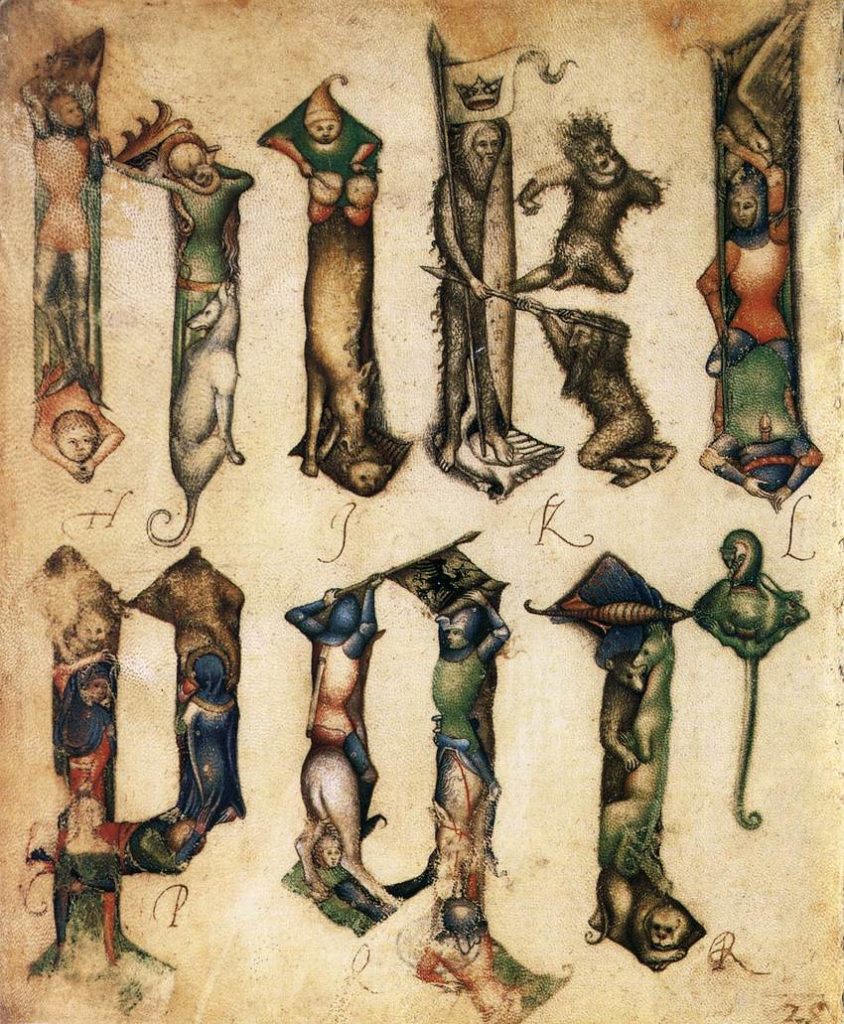
We each place ourselves in a territory – where we were born, where we live or perhaps where we feel we belong. We have therefore situated our RESONANCES in twenty linguistic-cultural areas within which the data can be accessed:
A Great Britain and Ireland
B Scandinavia and Iceland
C Finland and the Baltic
D Portugal and the islands
E Spain and the islands
F France, Wallonia, Switzerland, Northern Africa
G Italy, Switzerland, the Adriatic
H Austria, Germany, Switzerland
I Belgium, Luxembourg, the Netherlands
J Poland, Belarus, Ukraine
K Czech Republic, Moravia, Slovachia
L Slovenia, Croatia and the Adriatic
M Bulgaria, Serbia, Bosnia and Herzegovina, Montenegro, Northern Macedonia
N Greece and the Aegean
O Albania
P Turkiye
Q Romania, Moldavia, Hungary
R Switzerland
S Russia
T Malta
Languages and people are always located in space and time. Our 20 areas serve to delineate a dynamic linguistic cartography: languages move with people and coexist in geographical spaces, in time overlapping in an archaeological stratification testified by human events. The 20 areas hold the memory of such movements in space and time, grouping the subjects according to where they were born and chose to live. The history of the linguistic culture of our continent is based on people’s choices and lives rather than on an ideology of national belonging.
HOW DO I NAVIGATE THROUGH THE RESONANCES?
RESONANCES PAST are displayed in two ways:
On the left, a coloured wheel divided into twenty segments symbolises the language areas, the names of which appear when you hover your mouse over them. Clicking on each of them will open another colour wheel containing the mother tongues of those belonging to that area. Clicking again opens the language biographies of the chosen area.
To the right is a map of contemporary Europe. By clicking on a country, the linguistic biographies of all those born in that country will be displayed.
Contribute a RESONANCE PAST
RESONANCES PAST collect the linguistic biographies of people relevant to the history of European languages and are the result of research.
You too can contribute to our collection by submitting a Resonance. We accept contributions in doc format with images in jpeg format: download the template here
Contribute your linguistic biography
RESONANCES TODAY collect language biographies of people currently living in Europe, organised by age, education level, and family history of the respondents.
You too can contribute to the data collection by completing our questionnaire. We accept contributions in doc or excel format: download the template here